Slovenia Is Not What You Expect — And That Is the Point
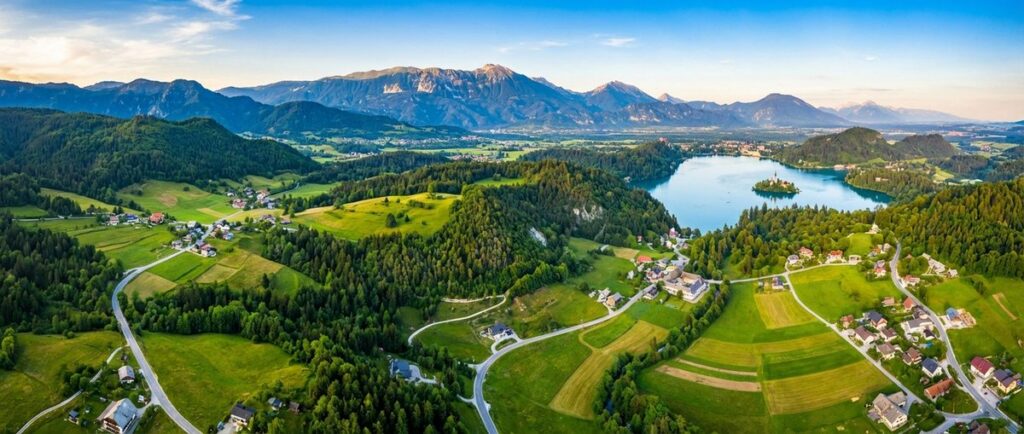
Most visitors arrive in Slovenia with a vague idea shaped by a few Instagram posts of Lake Bled. They leave wondering why nobody told them about the rest. This is that briefing — 20 things that will genuinely change how you plan your trip, written from the perspective of someone who actually lives here.
1. The Euro Is the Currency (Since 2007)
Slovenia adopted the Euro in 2007. No currency exchange hassle, no dodgy exchange booths. Card payments are accepted almost everywhere in cities, but smaller mountain huts, rural gostilnas (taverns), and some parking machines still operate on cash only. Carry at least 30-50 EUR in small bills when heading outside urban centres.
2. Slovenian Is the Language — But English Gets You Far
Slovenian is a South Slavic language with about 2.1 million speakers worldwide. That said, English proficiency is remarkably high, especially among anyone under 50. In Ljubljana, Bled, Piran, and other tourist areas you will have zero language issues. In rural areas, older generations may speak German or Italian rather than English. Learning “hvala” (thank you) and “prosim” (please) earns you genuine smiles.
3. Ljubljana Airport Is Tiny — Consider Alternative Entry Points
Jože Pučnik Airport (LJU) is small and has limited direct connections, mostly via Turkish Airlines, Wizz Air, and a few seasonals. Serious alternatives: Trieste airport (FVG) in Italy is 90 minutes from Ljubljana and often cheaper. Venice Marco Polo is 2.5 hours. Vienna is 3.5 hours by car. Zagreb is under 2 hours. Many experienced visitors fly into one of these and rent a car or take a FlixBus across the border.
4. You Need a Vignette for the Motorways
This catches people out every single year. Slovenian motorways require a pre-paid toll sticker called a vignette (vinjeta). The weekly sticker costs 16 EUR and the monthly is 32 EUR (2025 prices). You can buy it digitally as an e-vignette at evinjeta.dars.si — do this before you cross the border. Police enforcement is strict, and the fine for driving without one is 300-800 EUR. Note: you do not need a vignette for regular roads, only for motorways (avtocesta) marked with green signs.
5. Tourist Tax Is Charged Per Night
Every municipality charges a tourist tax (turistična taksa), typically 1-3 EUR per person per night. Hotels and Airbnbs collect it automatically. Ljubljana charges the highest at around 3.13 EUR. This is not a scam — it is a standard European practice. Check our cost guide for a full breakdown of travel expenses.
6. Tap Water Is Excellent — Do Not Buy Bottled
Slovenia is one of the few countries in the world that enshrined the right to clean drinking water in its constitution (2016). Tap water is safe and genuinely good everywhere in the country, including mountain huts. Carrying a refillable bottle saves you money and plastic. The water from alpine springs is some of the best you will ever taste.
7. Tipping Is Appreciated but Not Expected
There is no tipping culture like in the US. Rounding up the bill or leaving 5-10% at restaurants is common and appreciated. Nobody will chase you down the street for not tipping. At coffee shops, leaving the small change is the norm. Tour guides appreciate tips more visibly.
8. Pharmacies Work Differently Here
Pharmacies (lekarne) are well-stocked but many medications that are over-the-counter elsewhere require a prescription in Slovenia. Ibuprofen and paracetamol are available without prescription. Opening hours are typically Monday-Friday 8:00-19:00, Saturday mornings only. Each city has a rotating duty pharmacy (dežurna lekarna) that opens 24/7 — check the notice posted on any pharmacy door for the current schedule.
9. Public Transport Has Gaps Outside Cities
Ljubljana has a decent bus network, and there are reasonable train and bus connections between major towns. But once you want to reach Soča Valley, remote waterfalls, mountain trailheads, or smaller villages, public transport becomes unreliable or nonexistent. If your trip goes beyond Ljubljana and Bled, rent a car. Seriously. It changes the trip entirely.
10. The Burja Wind Is Real
If you are visiting the Karst region, Vipava Valley, or driving over Razdrto pass, be aware of the Burja — a fierce, cold northeast wind that can reach 200 km/h in extreme gusts. It has been known to overturn trucks on the motorway. The road over Razdrto pass closes to high-profile vehicles regularly in winter. Check live weather conditions before driving through this area.
11. Mountain Roads and Huts Close Seasonally
Most high-altitude mountain huts (planinske koče) operate from June to September only. The Vršič Pass — the spectacular road connecting Kranjska Gora to the Soča Valley — closes when snow makes it impassable, typically November through May. Julian Alps hiking trails above 2000m require proper equipment and experience outside summer months. Via ferratas have specific seasons. Always check conditions before heading up.
12. SIM Cards Are Easy to Get
If you need local data, pick up a prepaid SIM from A1, Telekom, or T-2 at any shopping centre or petrol station. A basic tourist SIM with 10-20 GB of data costs around 10-15 EUR. EU roaming regulations mean your existing EU SIM should work without extra charges. For non-EU visitors, a local SIM is worth the small investment — mountain areas and caves have surprisingly decent coverage.
13. Shops Close on Sundays
This surprises visitors regularly. By law, most shops are closed on Sundays and public holidays. Small convenience stores, petrol station shops, and some tourist-area shops are the exceptions. Restaurants and cafes remain open. Plan your grocery shopping for Saturday. Sunday in Slovenia is genuinely quiet — embrace it.
14. The Country Is Absurdly Small
Slovenia is roughly 20,273 km² — slightly smaller than New Jersey. You can drive from the Italian border to the Hungarian border in about 2.5 hours. From the Austrian border to the Croatian coast crossing takes under 2 hours. This means you can have breakfast in the Alps, lunch on the coast, and dinner in a thermal spa in the east — all in one day. This compactness is Slovenia’s superpower.
15. Safety Is Not a Concern
Slovenia is one of the safest countries in Europe. Violent crime against tourists is essentially non-existent. Petty theft exists in Ljubljana’s old town during peak summer, as in any European city — keep your phone and wallet secure in crowded areas. Outside the capital, many people still leave doors unlocked. Trust your instincts, but do not overthink safety here.
16. Healthcare Is Good — Get an EHIC Card
EU/EEA citizens should carry a European Health Insurance Card (EHIC) or the newer Global Health Insurance Card (GHIC). It provides access to state healthcare on the same terms as Slovenian residents. Non-EU visitors should carry travel insurance. Hospitals in Ljubljana and Maribor are well-equipped. For emergencies, dial 112. Pharmacies can handle most minor issues.
17. Electricity Uses EU Standard Plugs
Slovenia uses Type C and Type F plugs at 230V/50Hz — the standard across most of continental Europe. If you are coming from the UK, US, or Australia, you need an adapter. Hotels sometimes have universal sockets in bathrooms for shavers, but do not count on it. Buy an adapter before arrival or at Ljubljana airport.
18. Uber Does Not Operate Here
As of 2025, Uber is not available in Slovenia. Local taxi alternatives in Ljubljana include GoOpti (airport transfers and intercity), and standard taxi companies. In Ljubljana, the cheapest option is the Kavalir electric vehicles — free golf-cart-style shuttles that operate in the pedestrianised city centre. For the coast, pre-book transfers or rent a car. Parking in Piran has its own challenges, so plan ahead.
19. The Ljubljana Card Can Save You Money
If you are spending 2-3 days in the capital, the Ljubljana Card (available for 24, 48, or 72 hours) includes free public transport, free entry to major museums and galleries, a boat ride on the Ljubljanica, funicular ride to the castle, and guided tours. At around 33 EUR for 24 hours, it pays for itself quickly if you plan to hit multiple attractions. Buy it at the tourist information centre on Stritarjeva ulica.
20. The Best Parts Are Where Tourists Do Not Go
Bled is beautiful. Ljubljana is charming. Piran is stunning. But the places that make Slovenia genuinely special are the ones most visitors skip entirely. The caves beyond Postojna — try Križna Jama where you tour by canoe through underground lakes. The wild river beaches of the Kolpa on the Croatian border. The abandoned ruins on hilltops in the Karst. The wine cellars of Goriška Brda. Go where the buses do not.
Frequently Asked Questions About Visiting Slovenia
Do I need a visa for Slovenia?
Slovenia is part of the Schengen Area. Citizens of EU/EEA countries can enter freely with an ID card or passport. US, Canadian, Australian, UK, and most other Western passport holders can visit visa-free for up to 90 days within any 180-day period. From 2025, non-EU visitors from visa-exempt countries will need to register via the ETIAS system (European Travel Information and Authorisation System) before arrival — a simple online process costing 7 EUR, valid for three years.
Is English spoken in Slovenia?
Yes, widely. Slovenia consistently ranks among the top countries in Europe for English proficiency. In tourist areas, restaurants, hotels, and with younger Slovenians, English communication is effortless. Older generations in rural areas may be more comfortable with German (northwest) or Italian (coastal/western regions). Learning a few basic Slovenian phrases is always appreciated.
Do I need a vignette in Slovenia?
Yes, if you plan to use the motorway (avtocesta) network. The electronic vignette (e-vinjeta) can be purchased online at evinjeta.dars.si and is tied to your licence plate — no physical sticker needed. A 7-day pass costs 16 EUR. You do not need one for regional and local roads. Rental cars from Slovenian agencies usually come with a vignette included — confirm this when booking.
Is Slovenia safe for tourists?
Extremely safe. The Global Peace Index consistently ranks Slovenia among the top 10 safest countries globally. Violent crime rates are very low. The main risks are natural — sudden weather changes in the mountains, strong currents in alpine rivers, and the Burja wind in the Karst region. Standard urban precautions apply in Ljubljana’s tourist centre during summer, but overall the safety situation is excellent.
Can I drink tap water in Slovenia?
Absolutely. Tap water is safe and high-quality throughout the entire country. Slovenia constitutionally protects the right to clean drinking water. Alpine spring water from mountain huts is generally safe to drink directly. There is no reason to buy bottled water here.
What is the best time to visit Slovenia?
May through September is the main season. June and September offer the best balance — warm weather, fewer crowds, and lower prices than July-August. Ski season runs December through March in Kranjska Gora, Vogel, and other resorts. Spring (April-May) brings wildflowers and waterfalls at peak flow. Autumn (October) is spectacular for wine harvest in Goriška Brda and Vipava Valley. Check our live weather dashboard for current conditions across regions.
How many days do I need in Slovenia?
A minimum of 5-7 days lets you cover Ljubljana, Bled, Piran, and one or two day trips. Ten days allows a proper road trip including the Soča Valley, thermal spas, and the Karst region. Two weeks lets you explore at a relaxed pace and discover the lesser-known corners. Given the country’s compact size, even a long weekend focused on one region can be deeply rewarding.
Is Slovenia expensive?
Slovenia sits in the middle of the European price range — cheaper than Austria, Italy, or Switzerland, but more expensive than Croatia, Hungary, or the Balkans. A mid-range daily budget is around 80-120 EUR per person including accommodation, meals, and transport. Ljubljana is the most expensive area; rural Slovenia and the east are noticeably cheaper. Read our detailed Slovenia cost guide for a full breakdown by category.
Can I use my driving licence in Slovenia?
EU/EEA driving licences are valid without restrictions. UK, US, Canadian, and Australian licences are accepted for short-term visits (up to 6 months for most nationalities). An International Driving Permit (IDP) is technically required for some non-EU licences but rarely checked in practice — carrying one is still recommended. Drive on the right. Speed limits: 50 km/h in towns, 90 km/h on regional roads, 130 km/h on motorways.
Do I need travel insurance for Slovenia?
EU/EEA citizens with an EHIC or GHIC card have access to state healthcare. However, travel insurance is still recommended for trip cancellation, lost luggage, and repatriation coverage. Non-EU visitors should absolutely carry comprehensive travel insurance — medical treatment for uninsured visitors is expensive. If you plan to hike in the mountains, ensure your policy covers mountain rescue, as helicopter evacuations from the Julian Alps are not uncommon and cost several thousand euros.